May 22, 2026
Understanding how various weather conditions affect your home is essential for ensuring the long-term effectiveness of your property's exterior. Weather influences not only the specific materials used but also the structural integrity of the entire system. Different environmental factors can cause damage ranging from minor wear to severe failure, emphasizing the importance of timely maintenance and repairs. Being proactive can mitigate many potential issues caused by rain, snow, sun, wind, and hail. By recognizing these threats early, homeowners can safeguard their investment and ensure their shelter remains secure against the elements. This guide explores the diverse ways weather impacts your property and offers effective strategies to maintain a resilient structure for years to come.
Proactive Strategies for Managing Heavy Rainfall
Rain can be deceptive in its ability to damage a structure over time, primarily through persistent moisture application. Damage begins when precipitation seeps into materials, causing rotting and structural weakening. The exterior acts as the first barrier protecting the interior from rain, thus requiring materials that can withstand prolonged exposure. Effective rain management involves understanding how water penetrates and compromises building components. Recognizing signs of water damage early, such as staining or musty odors, can save homeowners from the high costs associated with a full roof replacement.
Protecting Your Home from Ice and Snow
Snow and ice can put significant stress on building structures, leading to various types of structural concerns. The accumulation of heavy snow increases the weight on the exterior, testing the load-carrying capacity of the frame. The freeze-thaw cycle of ice can cause water to seep into small cracks and expand, worsening existing imperfections. Ensuring your home is rated to handle local snow loads is crucial for cold-climate resilience. While regular maintenance helps, severe structural compromise from winter weather may eventually necessitate a complete roof replacement to ensure the safety of the occupants.
Managing Sunlight and Ultraviolet Radiation Exposure
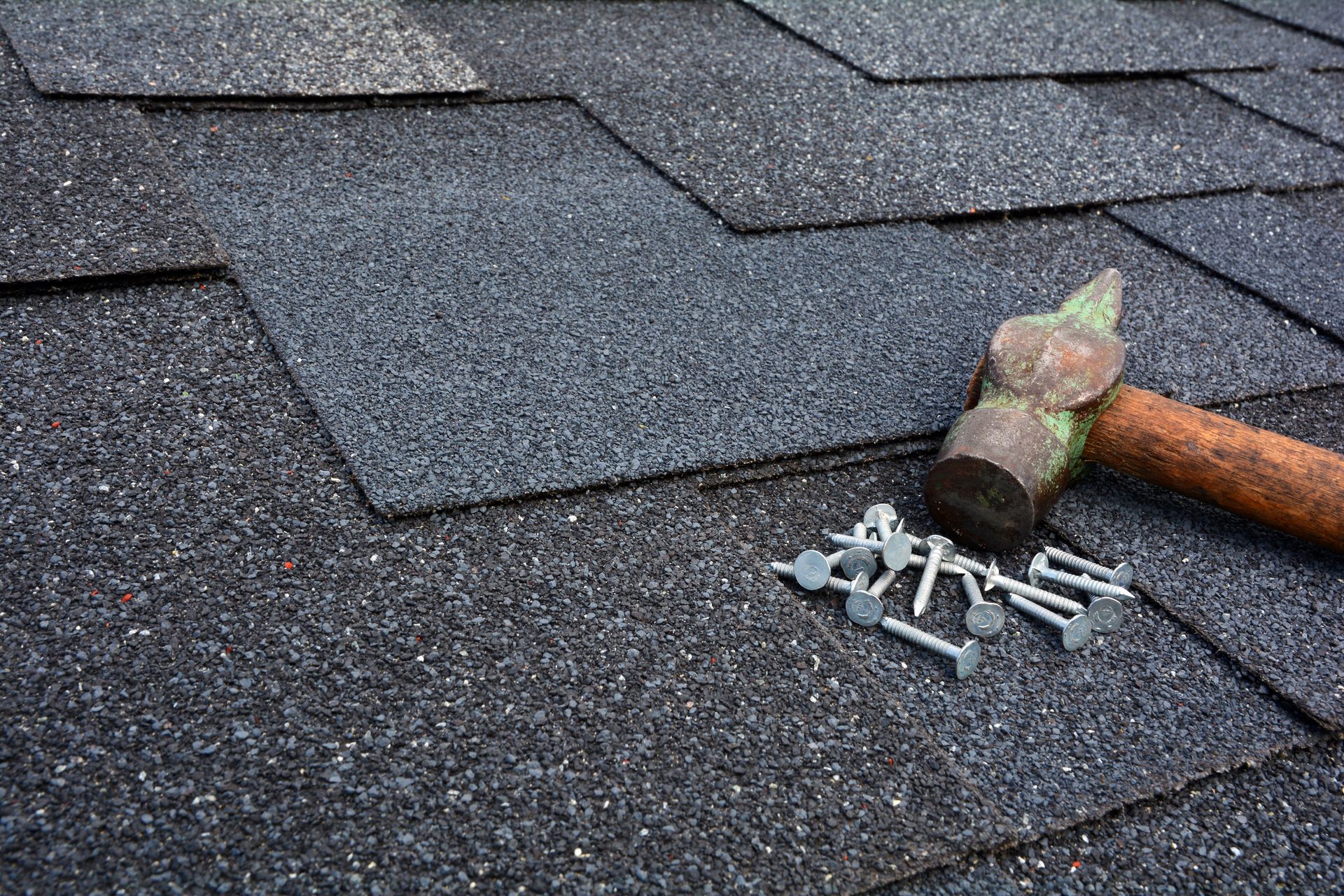
Prolonged sun exposure poses a significant threat to building materials through the constant action of ultraviolet rays. These rays can cause materials to become brittle and crack, leading to the gradual degradation of the outer protective layer. According to RubyHome, asphalt shingles are used in about 80% of roofing projects, which makes them the most frequently used roofing material today. These common materials can develop small fissures over time from heat, reducing their effectiveness. When these fissures become widespread, the most reliable solution to maintain the home's barrier is a professional roof replacement.
Mitigating the Impact of High Wind Speeds
Wind poses a significant threat to a home by exposing weaknesses in the structural design or material application. Strong gusts can lift components from their placements, exploiting any areas where adhesives or fasteners are compromised. Once initial breaches occur, wind continues to exacerbate the situation by worsening tears and gaps. The cyclical nature of wind stresses makes homes in windy regions prone to frequent repairs if upgrades are neglected. In cases where high winds have compromised the underlying deck or lifted large sections of material, a total roof replacement is the best way to restore structural integrity.
Addressing Structural Damage Caused by Hail
Hail represents a destructive force, causing abrupt and intense damage to an exterior in a matter of moments. The severity of hail damage depends on the size of the stones and the type of material exposed. Impact-resistant materials tend to withstand hail better, but traditional materials often suffer from circular indentations or bruising. In the aftermath of a major storm, a thorough inspection is necessary to determine if the damage is cosmetic or structural. If the integrity of the moisture barrier is broken by large hailstones, homeowners should prepare for a roof replacement to prevent internal leaks.
Implementing Effective Exterior Maintenance Protocols
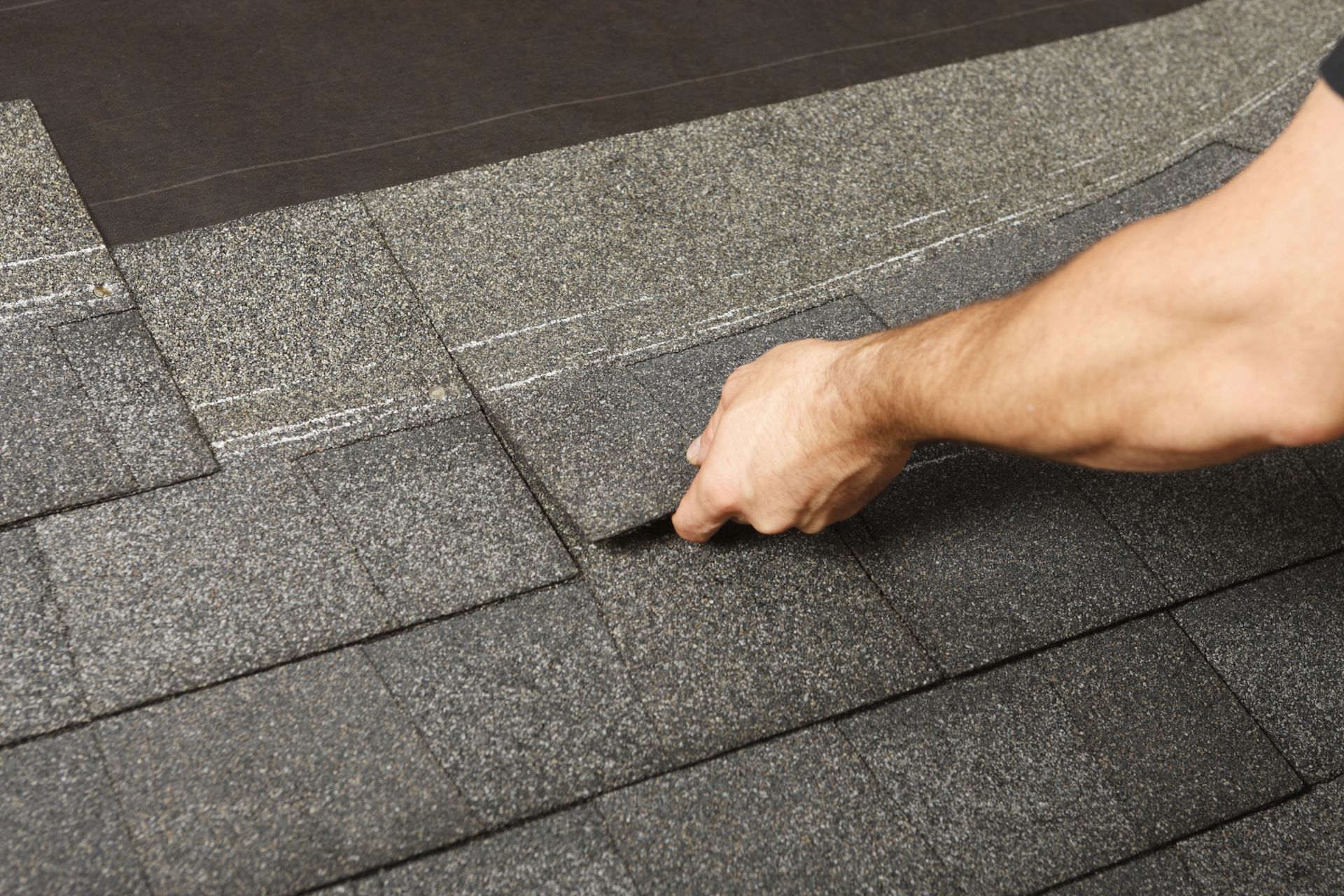
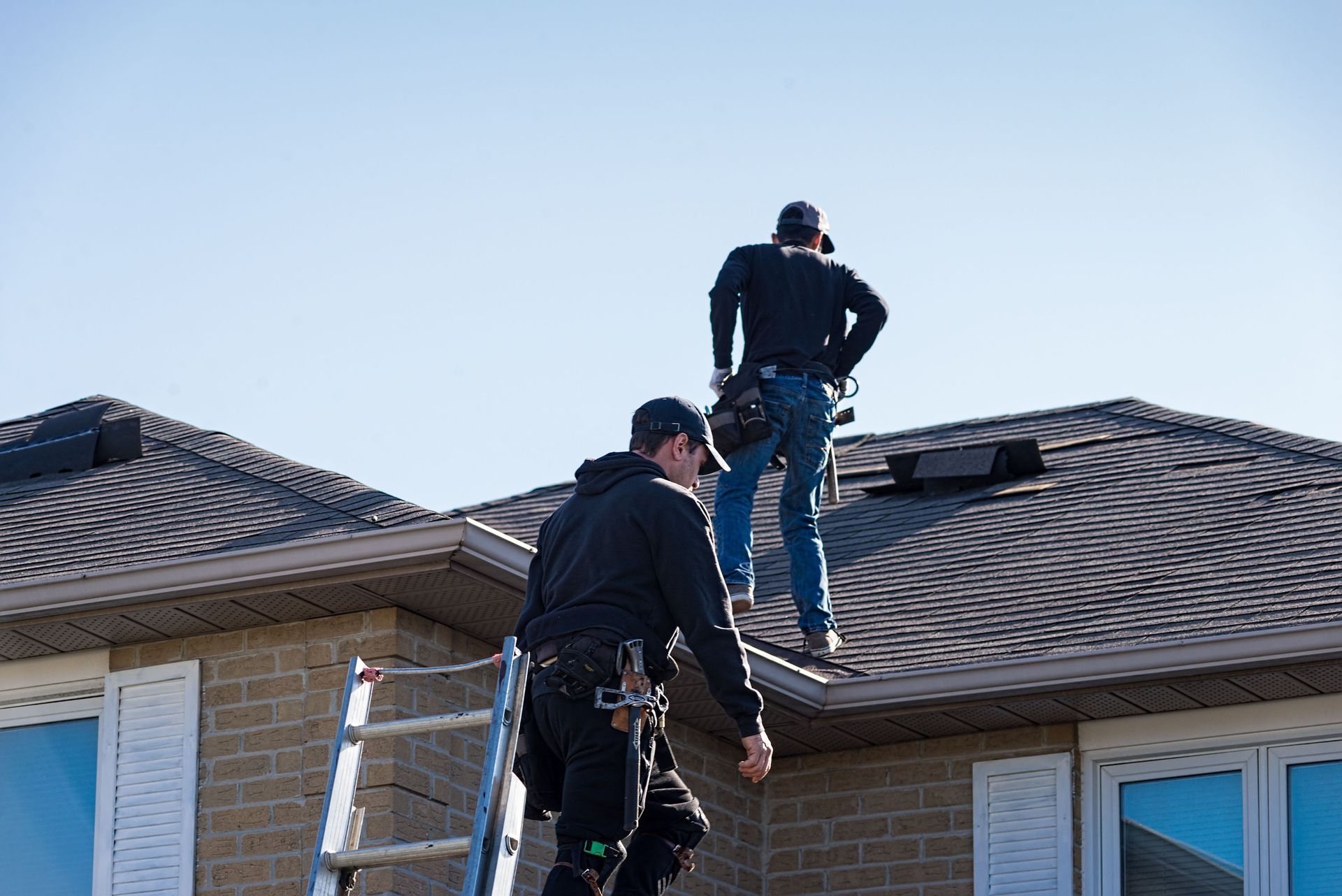
Regular inspections are fundamental to proactive maintenance and safeguarding against weather-related damage. Professional evaluators possess the tools to identify issues invisible to the untrained eye, such as flashing degradation or material failures. Establishing a schedule for routine evaluations ensures the timely discovery and rectification of small issues before they escalate. Consistent upkeep extends the life of the materials and delays the need for more intensive interventions. However, when materials reach the end of their functional lifespan, scheduling a roof replacement is a vital step in maintaining the property's value.
Utilizing Modern Technology for Home Monitoring
Technology integration in home monitoring presents innovative solutions for maintaining optimal conditions and early damage detection. Sensors and infrared imaging are proving instrumental in providing real-time data on moisture levels and surface integrity. Homeowners employing smart systems can monitor their property remotely, making informed decisions based on data. Timely alerts of potential problems empower prompt interventions and prioritize safety. If data shows that the exterior is no longer providing adequate thermal protection or moisture resistance, it may be time to consult with a provider regarding a roof replacement.
The Role of Proper Gutter Systems in Water Diversion
While a high-quality roof serves as your home's primary shield, a functional gutter system is the essential secondary defense for managing heavy rainfall. Without proper diversion, water cascading off the roof can pool at the foundation, leading to soil erosion and catastrophic basement flooding. Over time, poorly maintained gutters may sag or pull away from the fascia, creating gaps where moisture can rot the wooden components of your roof's edge. Ensuring that gutters are free of debris and downspouts are directed at least five to ten feet away from the structure is a critical maintenance step. If your gutters are consistently overflowing despite cleaning, it may indicate a need for a larger capacity system or a professional evaluation to prevent long-term structural settling.
Understanding the Impact of Temperature Fluctuations
Extreme temperature swings, often referred to as thermal shock, can be just as damaging as a physical storm. Materials like wood, vinyl, and asphalt naturally expand in the heat and contract in the cold. When these transitions happen rapidly, such as a sudden summer thunderstorm hitting a sun-baked roof, it places immense stress on the fasteners and sealants holding your exterior together. Over several seasons, this constant movement can lead to "fastener back-out" or shingles that become brittle and lose their granular coating. Proper attic ventilation is the best defense against thermal stress, as it regulates the temperature of the roof deck from the inside out. By maintaining a balanced airflow, you reduce the internal heat buildup that accelerates material fatigue, ultimately extending the interval between necessary roof replacements.
Ensuring Long-Term Structural Resilience
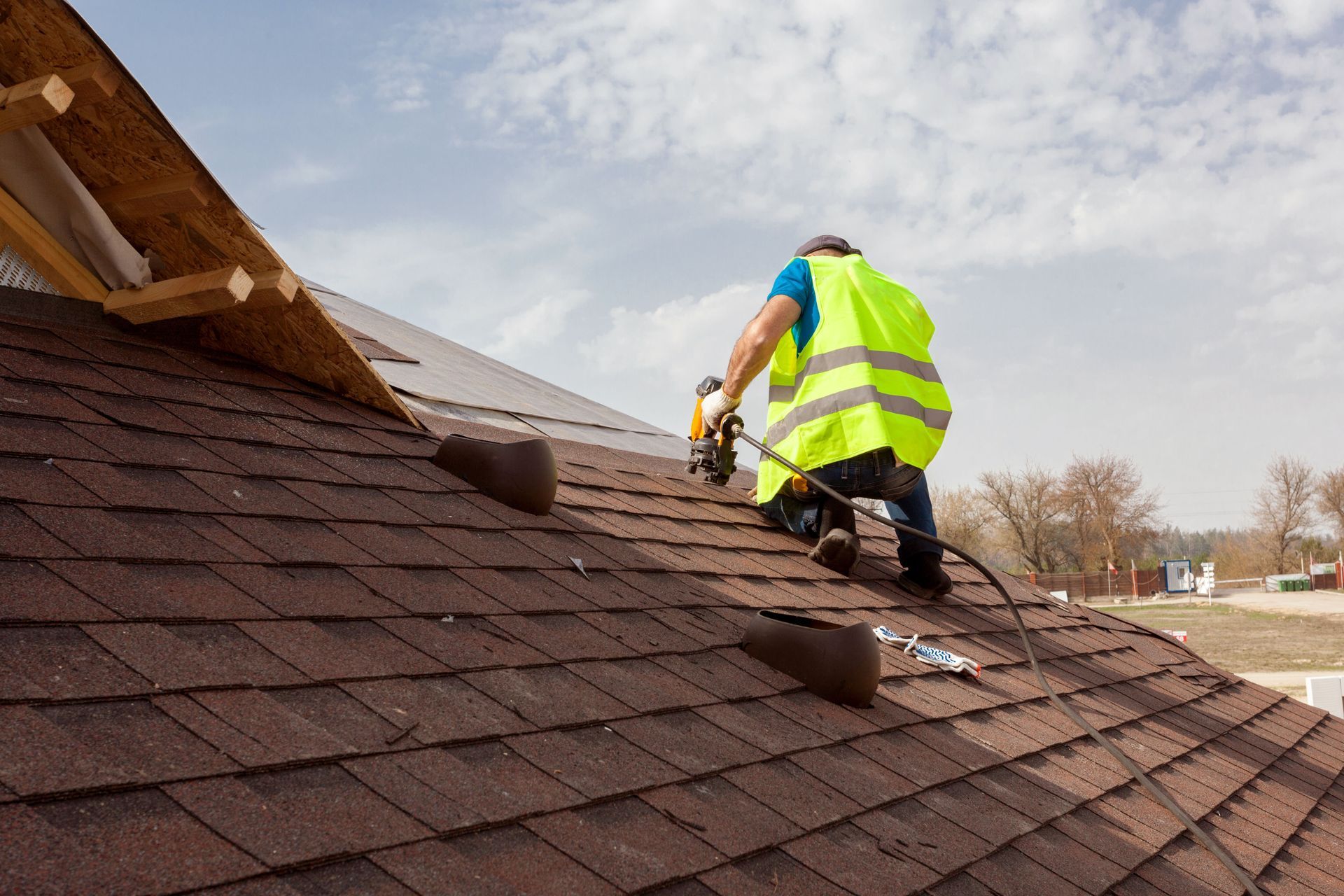
A resilient home requires a combination of high-quality materials and precise installation techniques to withstand the elements. Choosing materials with proven resistance to local weather patterns is fundamental to long-term success. Homeowners seeking to upgrade their protection should look for options that offer enhanced durability against wind and impact. Proper ventilation and insulation also play a role in how well the exterior handles temperature fluctuations. When the current system can no longer be repaired effectively, a high-quality roof replacement provides a fresh start and peace of mind for the homeowner.
Protecting a home from weather-related damage requires comprehensive strategies, encompassing material selection and ongoing maintenance. Regular inspections play a vital role in identifying potential issues early, allowing for preventative measures to be enacted swiftly. The synergy of modern technology and homeowner diligence ensures that the property retains its resilience against diverse weather threats. Ultimately, adopting a proactive approach strengthens defenses and ensures the structure remains a safe place for many years. When you are ready to ensure your home is fully protected against the elements, reach out to Kettle Moraine Exteriors Inc.