August 24, 2026
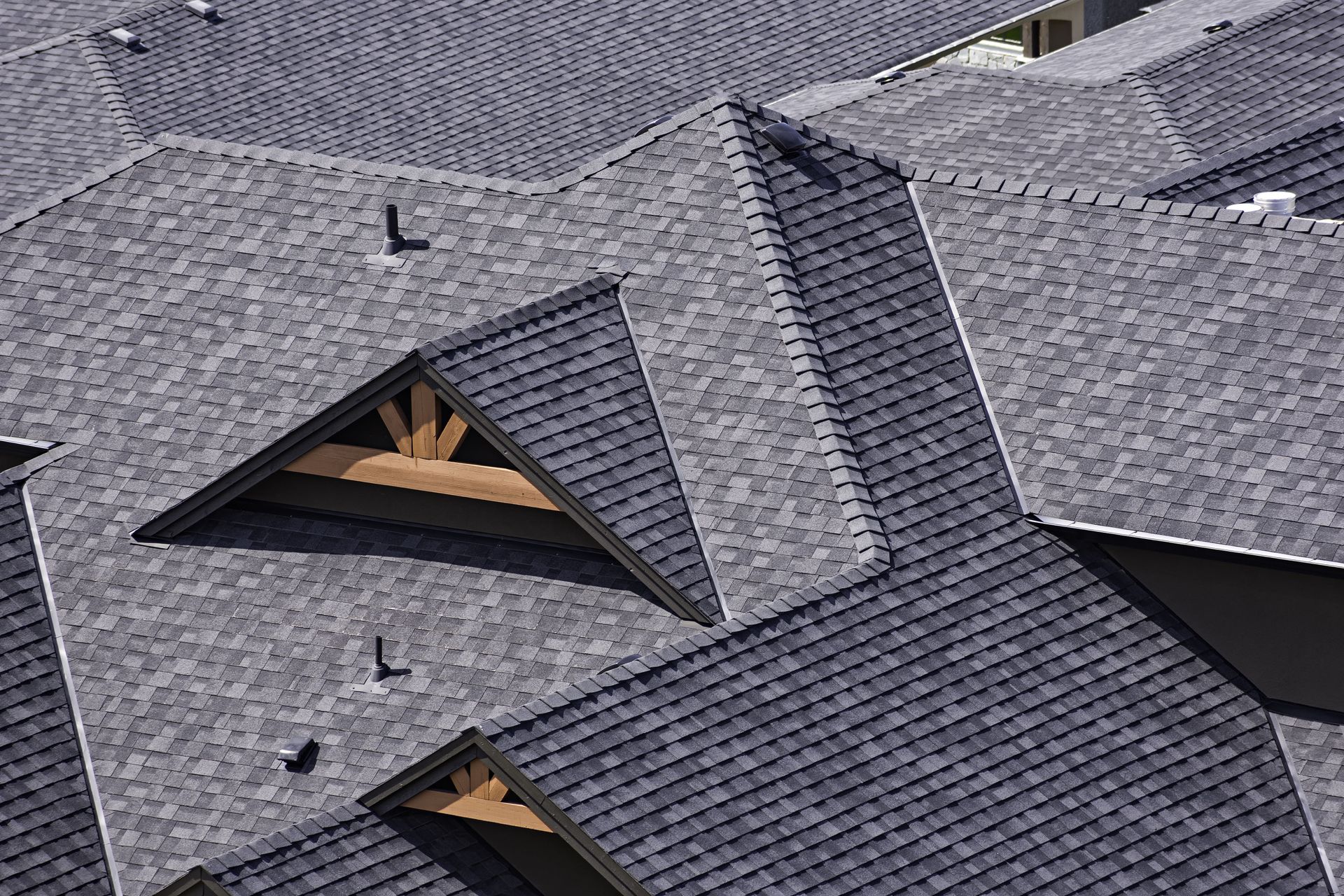
A residential shelter remains the primary structural shield against natural elements, constantly enduring harsh climate shifts, intense sunlight, heavy snowfall, and relentless rainfall. Maintaining the structural integrity of this vital overhead system requires long-term planning, consistent evaluation, and professional expertise to prevent premature degradation. Many property owners undervalue the complex engineering involved in keeping a building dry and safe, often overlooking warning signs until internal structural damage occurs. Establishing a proactive management strategy safeguards property value, preserves interior finishes, and significantly extends the total operational lifespan of the entire overhead structure. Partnering with a licensed roofing contractor ensures that potential vulnerabilities are identified early and resolved using recognized industry standards. Investing focused attention into systematic preservation pays substantial dividends over time, reducing overall emergency repair expenditures and providing continuous peace of mind.
Scheduling Regular Professional Inspections
According to This Old House, you should get your roof inspected yearly or after any major weather event. Comprehensive evaluations conducted by a qualified roofing contractor provide detailed insights into subtle surface wear, flashing movement, and underlying moisture intrusion that standard ground observations cannot reveal. Expert evaluators possess specialized technical training to recognize early indicators of granule erosion, membrane blistering, and seam separation before catastrophic leakage develops. By engaging a certified roofing contractor on a predictable cadence, property owners establish a documented historical record of structural condition, which assists in tracking long-term wear patterns and anticipating future maintenance needs.
Routine physical assessments allow trained experts to inspect critical transition zones, including chimney valleys, skylight perimeters, vent stack boots, and side wall intersections. These vulnerable intersection points collect flowing moisture and experience high thermal movement, making them especially prone to unexpected structural leaks. Professional specialists utilize calibrated diagnostic tools to detect trapped moisture beneath top layers without causing surface destruction or compromising material warranties. Delegating this technical evaluation to an experienced roofing contractor ensures complete safety compliance while identifying hidden deficits before underlying timber decking suffers severe deterioration.
Maintaining Proper Attic Ventilation
Balanced atmospheric circulation within upper structural spaces plays a fundamental role in preserving surface materials above. Trapped thermal energy during hot summer periods bakes surface materials from beneath, causing premature chemical degradation of asphalt components and accelerating overall composite fatigue. During colder seasons, inadequate airflow allows internal household humidity to migrate upward, condensing against cold timber structures and creating environmental conditions highly conducive to fungal decay and wood rot. Ensuring balanced air intake and continuous exhaust circulation stabilizes temperatures across structural assemblies, preserving overall material resilience across extreme seasonal temperature shifts.
Professional evaluations of intake soffit vents and ridge exhaust channels ensure that structural air movement remains completely unobstructed by insulation displacement or external debris accumulation. Qualified technicians calculate net free ventilation areas to ensure balanced pneumatic airflow throughout the entire attic space. Proper circulation prevents destructive ice dam formation along eaves by maintaining uniform deck temperatures during freezing conditions. Enlisting a skilled roofing contractor to assess internal ventilation dynamics optimizes thermal regulation, reduces household energy costs, and prevents destructive moisture condensation inside upper structural framing.
Removing Overhanging Tree Branches
Extending vegetation foliage presents multiple physical threats to structural longevity, ranging from direct mechanical impact to indirect surface degradation. Tree limbs growing near building perimeters deposit organic litter, including leaves, needles, twigs, and sap, directly onto protective surface materials. Accumulated organic matter retains moisture continuously against surface materials, accelerating structural breakdown and creating fertile breeding environments for destructive moss and algae growth. Furthermore, overhanging branches act as natural access bridges for suburban wildlife, permitting animals to access upper structural perimeters where they can cause severe mechanical disruption.
Wind events cause heavy branches to sway forcefully against protective surface granules, scraping away essential protective layers and exposing underlying waterproof membranes to extreme ultraviolet degradation. Severe storm activity can cause large limbs to break off entirely, inflicting severe structural puncture damage to underlying rafters and structural decking. Managing surrounding tree growth requires regular professional tree trimming along perimeter clearance zones. Consulting a licensed roofing contractor after nearby vegetation management ensures that any incidental limb friction or minor surface abrasion is immediately evaluated and properly restored.
Clearing Exterior Drainage Systems
Functional gutter channels and downspout assemblies serve as primary conduits for channeling liquid runoff safely away from overhead structural perimeters. When drainage networks become clogged by fallen debris, collected rainwater backs up along lower edge perimeters, seeping beneath edge shingles and structural fascia boards. Trapped standing water causes subterranean wooden fascia to decay, rusts metal flashing components, and eventually saturates interior wall cavities. Establishing clean, free-flowing water channels allows heavy precipitation to evacuate efficiently without creating localized standing water threats against vulnerable eave assemblies.
Systematic clearing of drainage pathways prevents heavy water accumulation from overloading structural gutter hangers and pulling edge components away from the building framework. Downspout extensions must discharge water far beyond foundational footings to prevent secondary basement flooding and perimeter soil erosion. Technical evaluation by a professional roofing contractor helps identify sagging gutter spans, hidden seam leaks, and improper pitch angles that impede smooth water flow. Preserving uninterrupted drainage performance protects vulnerable eave assemblies from continuous moisture saturation and associated timber decay.
Addressing Minor Damage Rapidly
Seemingly insignificant surface flaws, such as single missing shingles, cracked pipe boots, or minor flashing displacement, quickly escalate into extensive structural disasters if neglected over time. High winds can loosen protective edge fasteners, creating small gaps that invite moisture infiltration during subsequent rainfall events. Once liquid penetrates the primary waterproof barrier, water travels laterally along subfloor decking, saturating insulation and causing concealed ceiling damage far from the original entry point. Rapid professional intervention stops localized degradation from expanding across broader structural sections and degrading interior spaces.
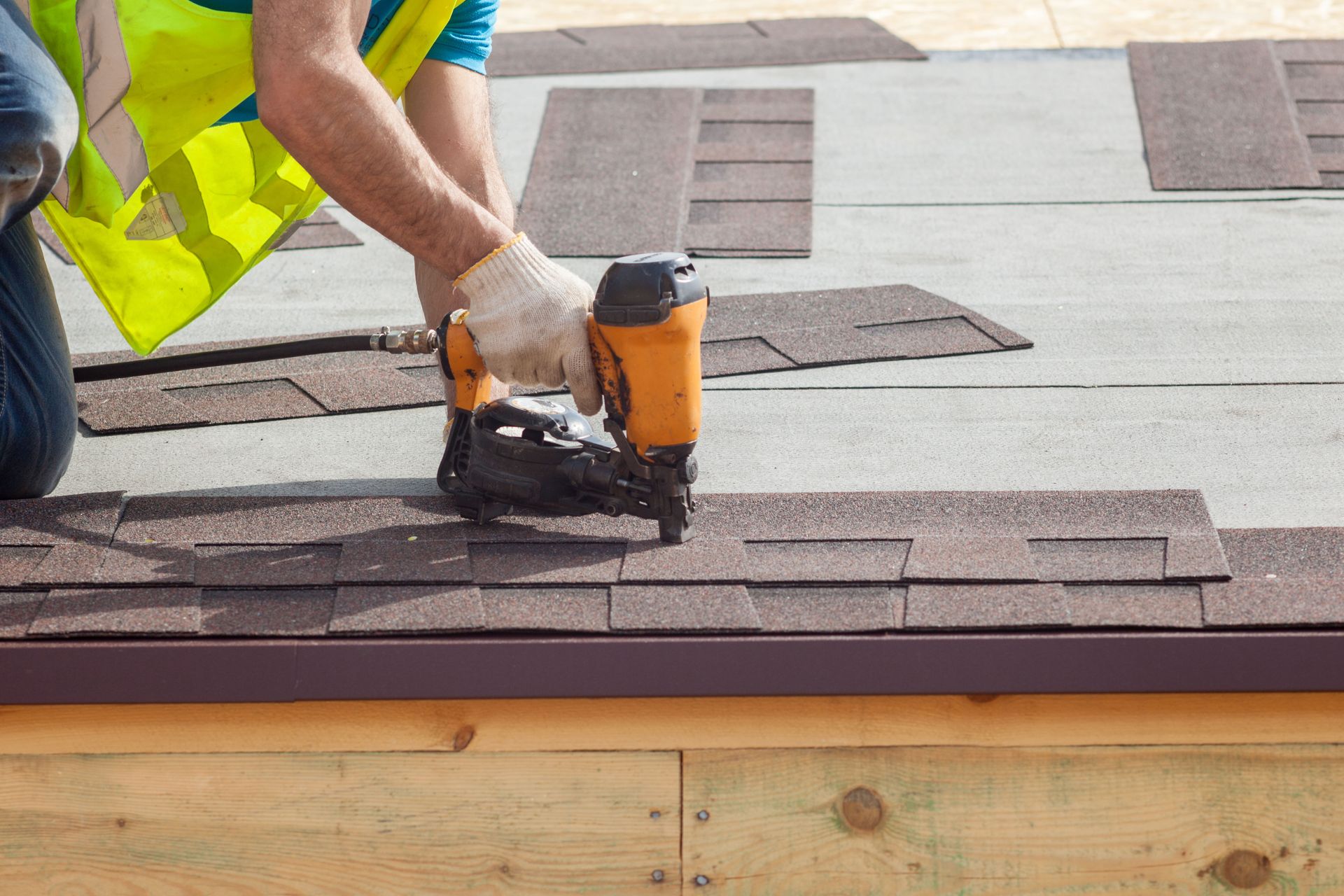
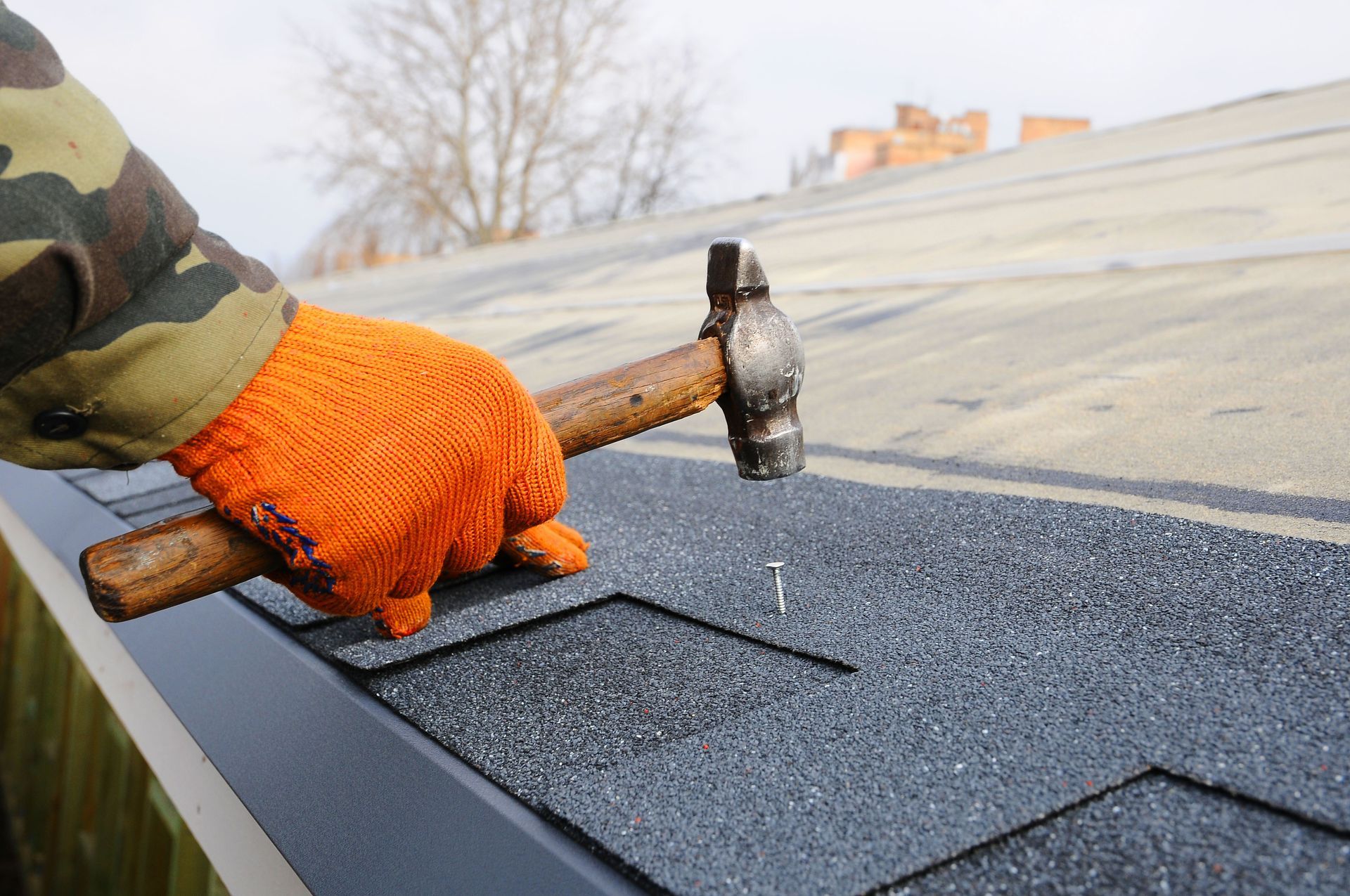
Collaborating with a reliable roofing contractor ensures that minor corrective actions utilize exactly matching materials and factory-recommended sealant applications. Emergency patch work executed without professional knowledge often traps existing moisture within structural assemblies, worsening internal decay behind newly applied surface layers. Qualified specialists perform detailed perimeter checks during minor repairs to ensure adjacent materials have not suffered hidden structural compromise. Swift professional restoration preserves overall system integrity, extends material life expectancy, and avoids costly full-scale structural replacement projects.
Choosing High Performance Materials
Selecting superior replacement components and advanced underlayment membranes fundamentally dictates overall structural longevity and resilience against harsh weather conditions. Modern synthetic underlayments offer significantly higher tear resistance and moisture protection compared to traditional felt paper alternatives. High-grade architectural shingles incorporate advanced granule adhesion technology and impact-resistant synthetic blends designed to withstand severe wind uplift and hail bombardment. Investing in premium primary materials provides an elevated baseline of defense against environmental degradation and extreme climate conditions.
Proper compatibility between various structural components, including ice and water shields, drip edges, ridge vents, and valley flashings, is essential for seamless weatherproofing performance. Incompatible chemical sealants or mixed metal flashings can trigger galvanic corrosion, breaking down protective barriers prematurely. A factory-certified roofing contractor understands specific manufacturer guidelines, ensuring that complete material systems work synergistically to provide long-term weatherproofing. High-quality material selection combined with certified installation standards ensures maximum operational lifespan for the entire overhead investment.
Preserving structural overhead integrity requires an ongoing commitment to professional maintenance, proper environmental management, and timely technical intervention. Understanding the interconnected nature of ventilation, drainage, material selection, and structural inspection empowers property owners to protect their substantial real estate investment effectively. By avoiding neglect and relying on experienced industry professionals, property owners can maximize structural longevity while avoiding catastrophic water damage and unexpected structural failures. To schedule a comprehensive professional assessment and ensure long-term structural protection, contact Kettle Moraine Exteriors Inc.