June 26, 2026
A roof serves as one of the most important protective components of any home. It shields the interior from harsh weather, supports energy efficiency, and helps maintain the overall structural integrity of the property. Because of its constant exposure to the elements, however, every roof eventually experiences wear and deterioration. When signs of damage begin to appear, homeowners are often faced with a difficult question: should the roof be repaired, or is it time to replace it entirely?
The answer depends on several factors, including the age of the roof, the extent of the damage, the frequency of previous repairs, and the long-term goals for the property. While repairs can often address isolated problems, replacement may be the better choice when issues become widespread or recurring. Understanding the differences between these options can help homeowners make informed decisions and avoid unnecessary expenses. Obtaining a professional roof estimate is often the first step toward determining the most effective path forward.
Evaluate the Age of the Roof
The age of a roof is one of the most significant factors when deciding whether repair or replacement makes the most sense. Roofing materials are designed to provide dependable protection for a certain period, but even high-quality systems gradually decline as they age.
As roofing materials become older, they often lose flexibility, weather resistance, and overall performance. Small issues that were once easy to repair may begin occurring more frequently, signaling that the roof is nearing the end of its useful life.
According to This Old House, asphalt shingle roofing systems commonly remain effective for approximately 15 to 30 years when properly maintained. Once a roof approaches the later stages of that lifespan, replacement may offer greater long-term value than continuing to repair aging materials.
A professional inspection combined with a detailed roof estimate can help determine whether the roof still has sufficient life remaining or if investing in a replacement would be the more practical solution.
Assess the Extent of the Damage
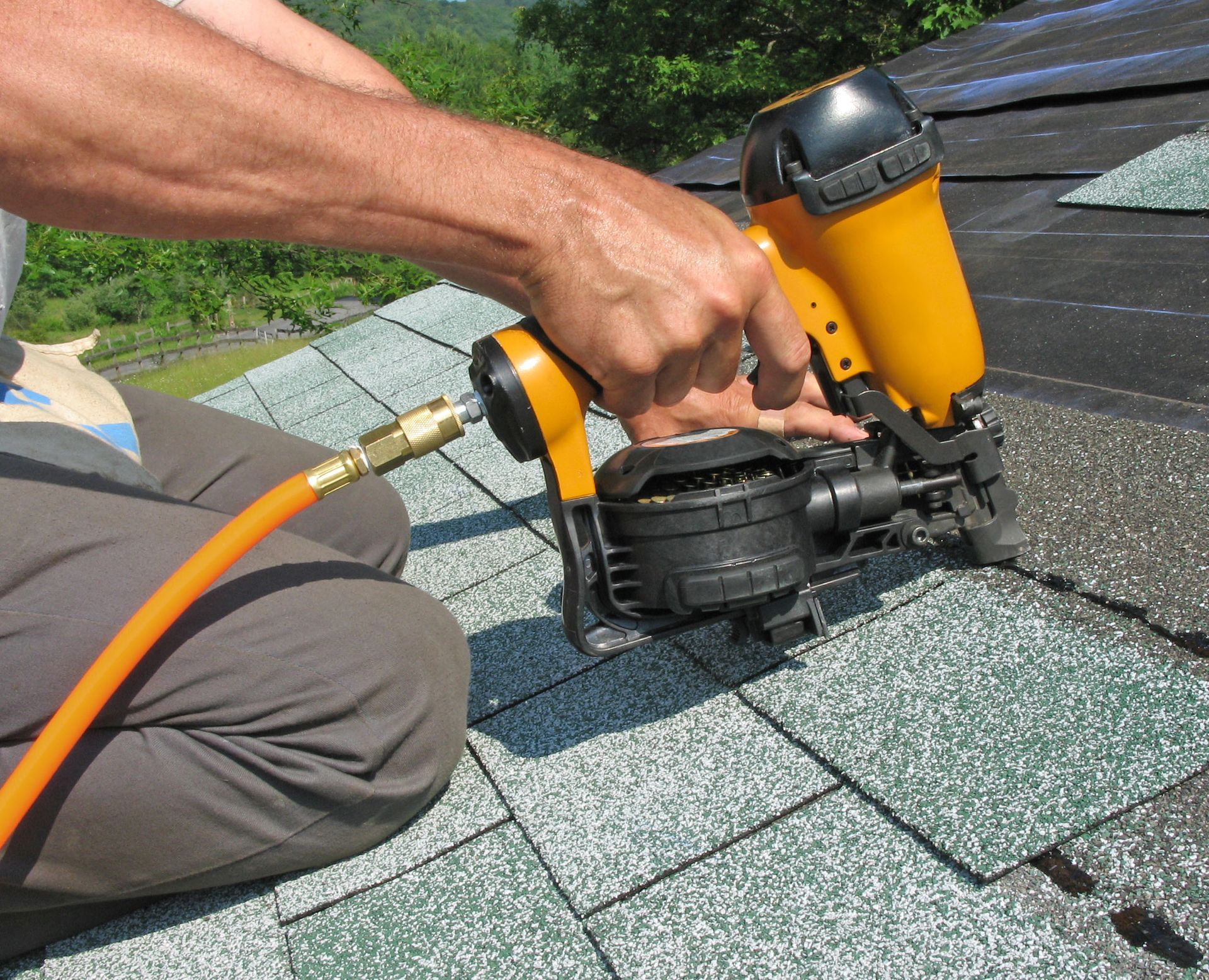
The amount and severity of roof damage play a major role in determining the right course of action. Not every roofing issue requires a complete replacement. In many cases, isolated damage can be addressed through targeted repairs that restore functionality and protection.
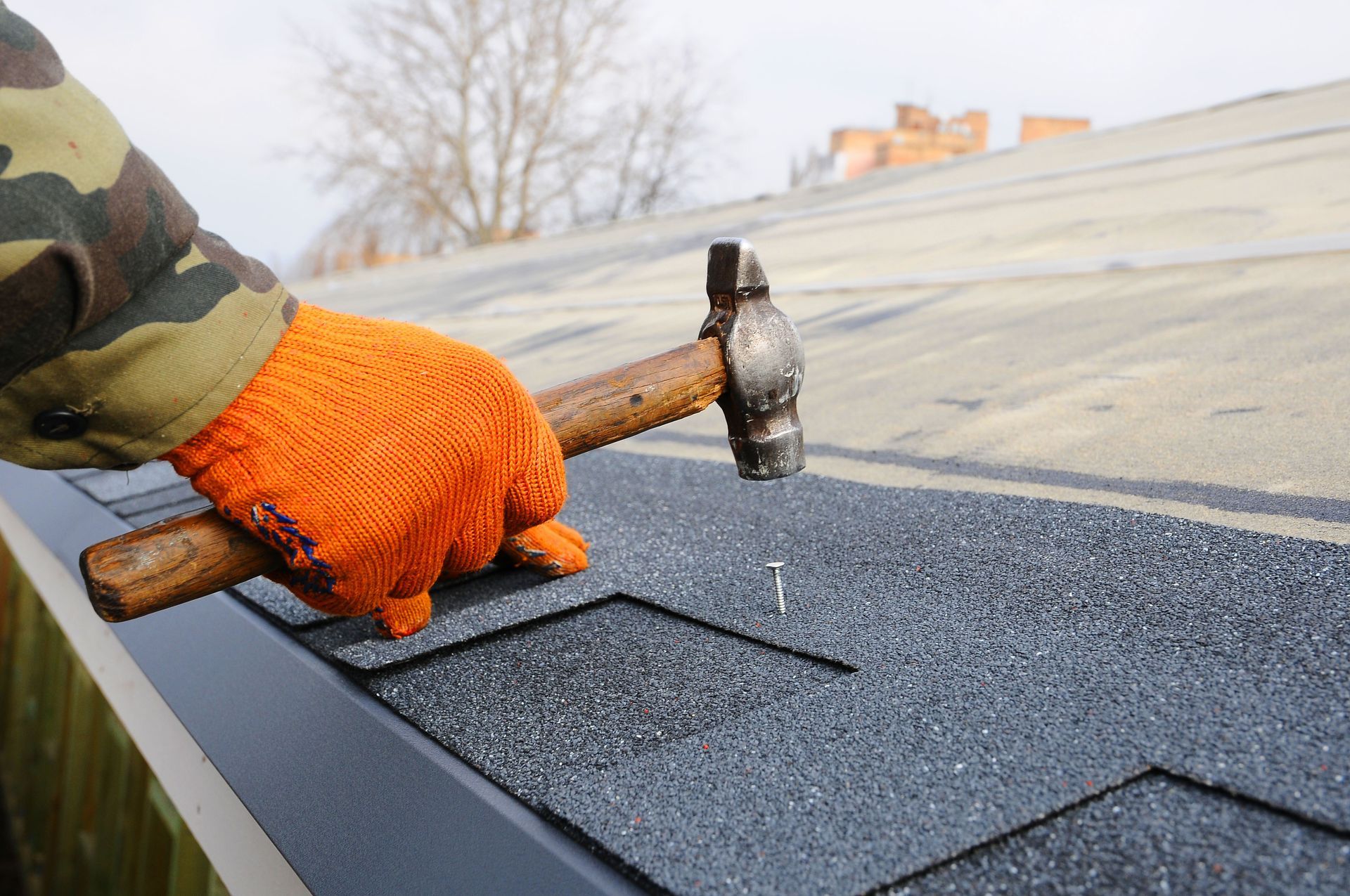
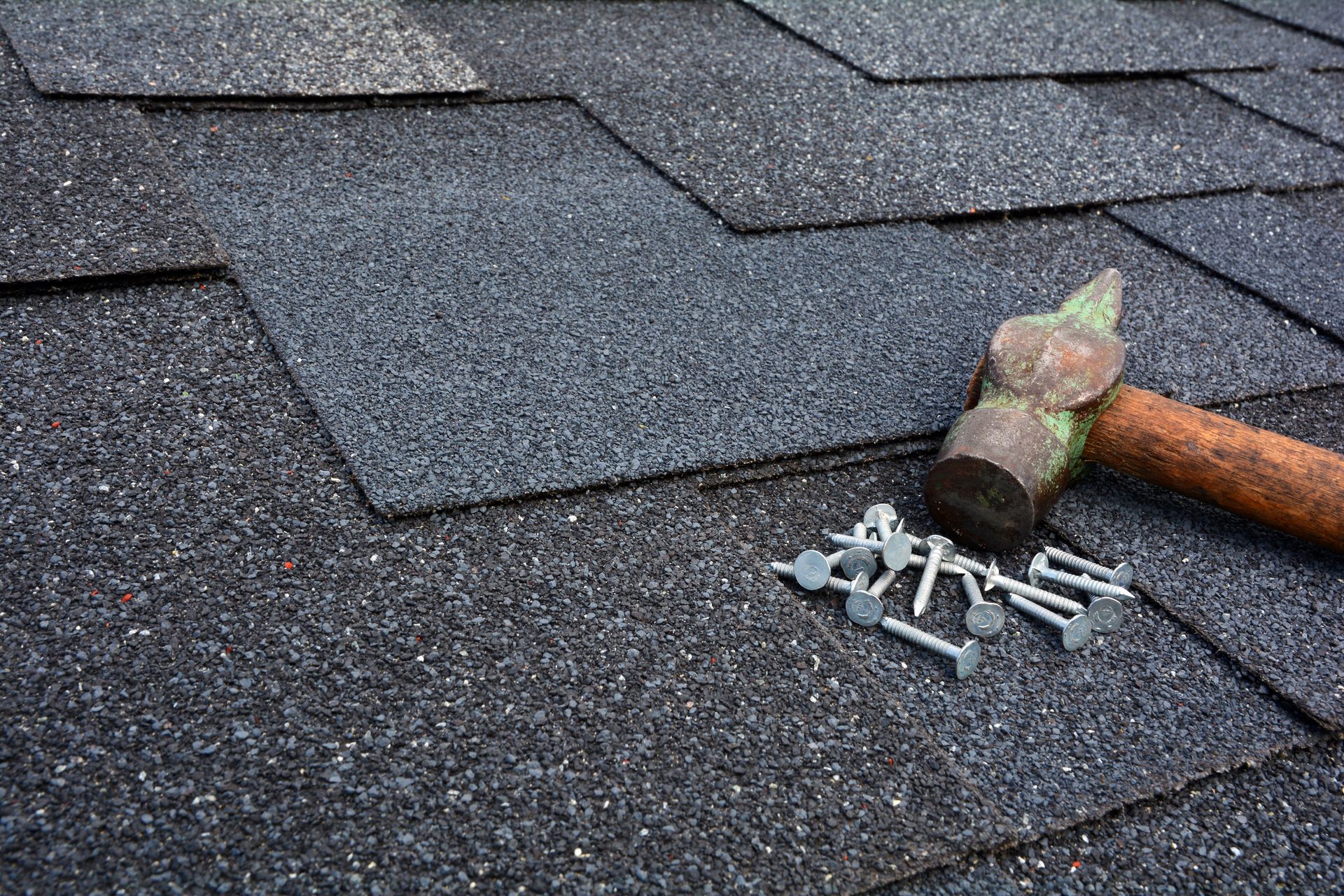
For example, damage confined to a small area may be corrected without affecting the rest of the roofing system. Minor leaks, localized wind damage, or a limited number of damaged shingles may not justify replacing the entire roof.
However, extensive deterioration often presents a different situation. If damage affects multiple sections of the roof or if underlying materials have been compromised, repairs may only provide temporary relief. Water intrusion can spread beyond the visible problem area and lead to hidden structural concerns that worsen over time.
A comprehensive evaluation and roof estimate allow roofing professionals to identify the true scope of the damage and recommend whether repairs are sufficient or replacement is necessary for long-term protection.
Examine the Frequency of Repairs
Most roofs require occasional maintenance throughout their lifespan. Addressing minor issues promptly can help preserve the roofing system and prevent more significant damage from developing.
The challenge arises when repairs become increasingly common. Homeowners who repeatedly deal with leaks, missing shingles, or other recurring concerns may eventually find themselves spending substantial amounts on ongoing maintenance without achieving lasting results.
Frequent repairs can indicate that the roof has reached a point where isolated fixes are no longer addressing the underlying condition of the system. Even if each repair appears relatively minor, the cumulative cost can become significant over time.
Reviewing the history of previous roofing work can provide valuable insight into whether continued repairs remain practical. A professional roof estimate can help compare the cost of future maintenance against the investment required for replacement, making it easier to evaluate which option offers greater value.
In many situations, replacing an aging roof can eliminate the cycle of repeated repairs and provide a more reliable solution for years to come.
Consider Energy Efficiency Performance
A roof contributes much more than weather protection. It also plays an important role in maintaining energy efficiency and indoor comfort throughout the home.
As roofing materials age, their ability to regulate temperature and protect insulation may diminish. Cracks, gaps, moisture intrusion, and worn materials can allow conditioned air to escape while permitting outside temperatures to influence indoor spaces more easily.
These issues can place additional strain on heating and cooling systems, potentially increasing energy consumption and reducing overall comfort. Moisture problems may further impact insulation performance, making it more difficult to maintain consistent indoor temperatures.
When evaluating repair versus replacement, energy performance should be part of the discussion. In some cases, repairing a specific issue may restore efficiency. In others, replacing an aging roofing system may provide greater benefits through improved materials and enhanced protection.
A thorough roof estimate can help homeowners understand how the current condition of their roof affects energy efficiency and whether replacement could offer meaningful long-term advantages.
Review Structural and Moisture Concerns
The visible roofing materials are only one part of the overall roofing system. Beneath the shingles are important structural components that support the roof and help protect the home from water intrusion.
When moisture penetrates roofing materials, it can affect decking, framing, insulation, and other hidden areas. Unfortunately, these problems are not always immediately visible. Water may travel through various sections of the structure before signs become apparent inside the home.
Indicators such as persistent leaks, sagging roof sections, moisture stains, mold growth, or musty odors may suggest that water damage extends beyond the surface. In these situations, simply replacing a few shingles may not fully address the underlying issue.
Professional inspections are essential because they allow contractors to identify hidden concerns that homeowners may not be able to detect on their own. A detailed roof estimate provides valuable information regarding the condition of both the roofing materials and the supporting structure beneath them.
If damage is isolated and structural components remain sound, repairs may be appropriate. However, extensive moisture damage often makes replacement the safer and more reliable option.
Compare Long-Term Value
Many homeowners naturally focus on immediate costs when considering roof repairs or replacement. While budget considerations are important, evaluating long-term value often leads to a more informed decision.
Repairs generally require a smaller upfront investment and may be appropriate when the roof is relatively young and otherwise in good condition. In these cases, targeted repairs can extend the roof’s lifespan while preserving its overall performance.
However, continued spending on recurring issues may eventually exceed the value of replacing the roof altogether. An aging roofing system that requires frequent maintenance may continue generating expenses while offering diminishing reliability.
Replacement often provides benefits that extend beyond resolving existing problems. A new roof can enhance curb appeal, improve energy efficiency, strengthen weather protection, and increase confidence in the property’s condition.
Obtaining a professional roof estimate allows homeowners to compare both short-term and long-term costs. By evaluating expected future repairs, remaining roof lifespan, and overall performance, property owners can make a decision that aligns with their financial goals and long-term plans.
In many cases, replacement becomes the more economical option when viewed from a broader perspective rather than focusing solely on immediate expenses.
Deciding whether to repair or replace a roof requires careful evaluation of multiple factors. The roof’s age, the extent of existing damage, repair history, energy efficiency performance, structural condition, and long-term value all play important roles in determining the most appropriate solution. While repairs can often resolve isolated issues and extend the life of a roofing system, replacement may provide greater reliability when problems become widespread or recurring.
Because every roofing situation is unique, professional guidance is essential. A thorough inspection and accurate roof estimate can provide the information needed to make a confident decision while protecting the long-term health of the property. If you’re weighing your options and want trusted guidance, contact Kettle Moraine Exteriors Inc today. We can evaluate your roof, explain your choices, and help you find the solution that best protects our home and investment for the future.